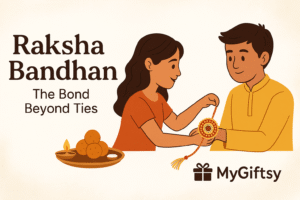
Raksha Bandhan, often called Rakhi, is more than just a festival—it’s a beautiful celebration of the emotional bond between brothers and sisters. Traditionally, a sister ties a sacred thread (rakhi) on her brother’s wrist, symbolizing her love and prayers for his well-being, while the brother promises lifelong protection.
But in today’s world, Raksha Bandhan goes beyond the traditional brother-sister relationship. It’s now a celebration of any protective, loving bond between sisters, cousins, friends, even long-distance siblings.
How the festival goes deeper than just tradition:
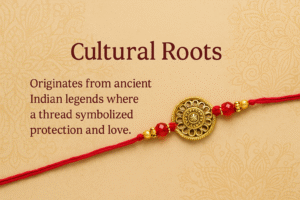
Cultural Roots
- Originates from ancient Indian legends where a thread symbolized protection and love.
- Raksha Bandhan is not just a festival—it’s a tradition rooted in India’s ancient cultural fabric, celebrated for centuries with devotion and love.
Symbol of Emotion
-
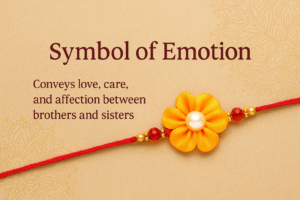
The rakhi isn’t just a thread—it’s a thread of trust, memories, and togetherness.
- Raksha Bandhan is more than a festive ritual—it’s a deep emotional expression wrapped in a simple thread.
Modern Adaptation
- From personalized rakhis to gifts for sisters too, it reflects evolving values of equality and thoughtfulness.
- While Raksha Bandhan is deeply rooted in tradition, today’s generation has added a fresh, modern twist to how it’s celebrated.
Inclusive Celebration
- Not just for brothers—sisters tie rakhis to sisters, parents, and even close friends.
- Raksha Bandhan has beautifully evolved into a celebration that goes beyond blood relations, embracing all meaningful connections in our lives.
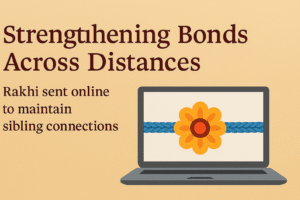
Strengthening Bonds Across Distances
-
With online gifting platforms like MyGiftsy, people can now send rakhis and gifts across India with ease and love.
-
In essence, Raksha Bandhan is not bound by rituals—it’s about cherishing the people who’ve stood by you, no matter what.
- In today’s fast-paced world, siblings may be separated by cities, countries, or continents—but Raksha Bandhan proves that love has no boundaries.