
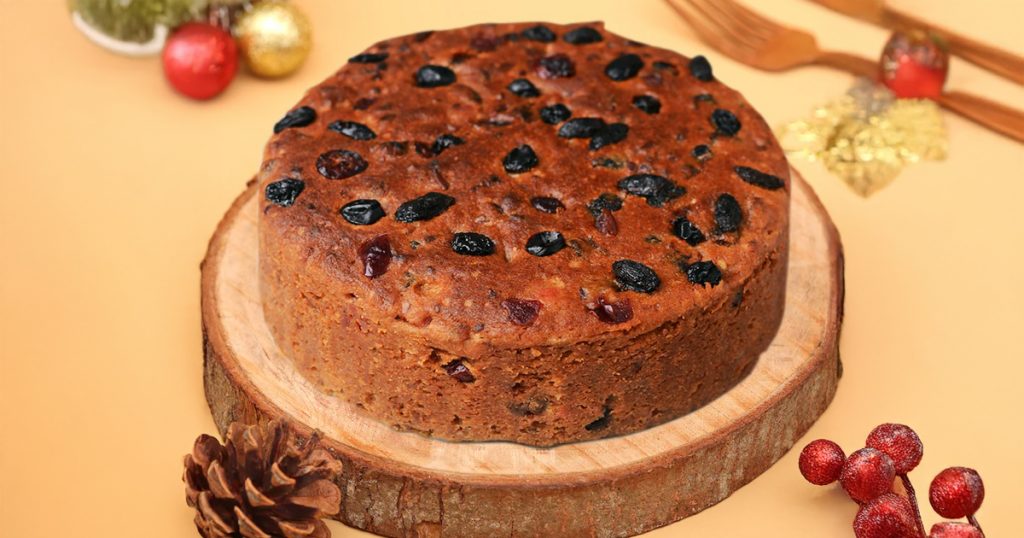
With the end of every year in December, India is changing in a very subtle way. The changes can be seen through the decorated markets, the spices-infused kitchens and the smell of the soaked fruits being baked into delicious plum cakes spreading out in the localities. While a lot of winter delicacies make their appearance and then disappear, plum cakes remain the top choice of the season and thus have accumulated a lengthy past, movement, cultural adaptation and, at present, outstanding sales figures in their repertoire. quietly changing
And in 2024, that popularity is stronger than ever.
A Consistent Seasonal Spike: Plum Cakes Sales in India

Plum cakes sales peak sharply every year between late November and Christmas week, driven by festive gifting, community celebrations, and long-standing family traditions.
For 2025, industry trackers estimate an even higher 21%+ surge, backed by:

- Newer, innovative Christmas cake variations are entering the market
- Wider availability through hyperlocal delivery apps
- Increased corporate gifting
- A rise in early pre-orders due to cake-mixing traditions
With competition among quick-commerce platforms offering 15–30 minute deliveries, consumers now buy plum cakes spontaneously—not just for Christmas but for office gatherings, winter evenings, and gifting.
Why the Spike? India’s Evolving Christmas Dessert Culture
Though traditionally associated with Christian households, plum cakes have now become one of India’s most loved December desserts across communities. Several cultural rituals contribute to this rise:
1. The Plum Cake-Mixing Ceremony
One of the most emotionally touching Christmas traditions that really gives you a special feeling is the cake-mixing ceremony. For many, it’s the moment that marks the real beginning of the festive season. What started a long time ago in Europe during the Middle Ages, when families would mix dried fruits, spices, and spirits in preparation for a feast weeks later, has evolved into something quite different and more significant. Now, it’s rather about people than the recipe. The households, neighbours, and even the communities come together, sitting around a big bowl, making fun, talking, and remembering the times while they mix everything.
The mixture is vibrant and varied with dried fruits, nuts, spices, and a little alcohol or fruit juice. After the mixture, it is left to soak for weeks or even months. As the tastes get richer, so does the anticipation. Everyone is aware that this slow change is a sign that Christmas is getting closer. At a lot of places, the waiting time is just as fun as the baking, thus making this simple ritual a festival in itself.
2. Gifting Culture
Plum cakes are the kind of gifts that have been an integral part of the culture of gifting during the festive season. Today, it is the favourite choice for corporate gifts, wherein the companies select them as appreciative tokens of concern for their clients, partners, and employees. Besides the corporate world, plum cakes turn into gifts for teachers and neighbours as expressions of thankfulness and goodwill.
In fact, they are the main feature of community lunches, which, through the plum cake, become a time of jubilation and comradeship. In fact, throughout the whole month of December, they serve as mediums of informal exchanges among friends, family, and acquaintances, and thus, they are in accordance with the festive season spirit.
The culture of gifting related to plum cakes is a reflection of their nature as a symbol of the Christmas spirit that can be used both in personal and professional areas.
3. Quick-Commerce Convenience
The emergence of quick-commerce platforms offering near-instant delivery to over 200 cities has changed the consumer buying behaviour of plum cakes completely. Consumers in urban and semi-urban areas now have the option to buy on the spur of the moment without having to plan in advance, and thus, they can meet their sudden gifting needs or satisfy their festival cravings immediately. The convenience is also available for last-minute shopping situations in which customers can place an order for plum cakes just a few hours before a party or a celebration and still get them on time. Besides, the pricing competition on these platforms is making luxury plum cakes available to a larger number of people without them having to lower the quality. The change in consumers’ buying patterns resulting from the convenience and availability of quick-commerce has been the main reason behind the significant 15% growth of the plum cake market in 2024. This, in turn, is a clear indication of how the contemporary delivery system is changing the way people buy during the festive season.
A Short History: How Plum Cakes Became an Indian Christmas Essential
The roots of plum cake stretch back to medieval Europe, where the winter feast was cooked by mixing meat, spices, dried fruits, and alcohol. Over time, the recipe evolved – the meat disappeared, the spices remained, and dried fruits took centre stage. The word “ plum” in those days simply meant any dried fruit. By the 16th and 17th centuries, English households began baking richer, denser versions of the puddings in ovens, and this became the British Christmas fruitcake filled with candied peel, nuts, and rum or brandy raisins.
Entry of plum cakes Into India
Plum cake came to India during the colonial period. Local communities adopted the recipe and added their own flavours. Bakers in Calcutta, Bombay, and Kerala embraced the tradition. Every region has created its own unique interpretation.
- Kerala’s plum cake became popular for its deep aromatic flavour and fruit mix soaked for months or weeks.
- Calcutta’s Nahoum’s bakery created an iconic version.
- Old Parsi and Goan bakeries included local spices, spirits, and their own baking skills.

- Goan bakeries are influenced by Portuguese culinary traditions.
- India gave plum cake a different taste. Spices like cinnamon, nutmeg, cardamom, and clove made the flavour richer. Over the years, the cake has become the symbol of Christmas celebrations. Today, the Indian version of plum cake has become more popular in terms of gifting and emotions that signal the beginning of the season.
What’s Inside a Plum Cake? A Look at the Ingredients That Define It
Festive indulgence doesn’t have to be guilt-ridden. Plum cake ingredients allow you to enjoy it guilt-free. The dried fruits, such as raisins, prunes, dates, and cranberries, are rich in fibre, antioxidants, and essential micronutrients, even contributing to your daily fruit intake when eaten in moderation. Nuts like almonds, cashews and walnuts provide healthy fats, vitamin E, magnesium and steady energy, while spices such as cinnamon and nutmeg lend natural warmth and digestive benefits. Of course, plum cakes are still calorie-dense, often high in sugar, and sometimes infused with alcohol, which is why mindful enjoyment is key. Depending on cultural preferences, the fruits are soaked in rum, brandy, wine, orange juice, apple juice, or even a spiced sugar syrup. Finally, a base of butter, caramelised sugar, flour, and eggs (or eggless alternatives) binds everything into a dense, moist loaf that only gets more flavourful with time.

To make the experience even better, myGiftsy offers lighter alternatives like low-sugar, eggless, and wholesome plum cake variations crafted with cleaner ingredients and even millets for a healthier festive treat.
The Rise of Variants: Why Plum Cakes Are More Popular
Beyond the classic versions, newer varieties such as low-sugar plum cakes, eggless versions, millet-based Christmas cakes, non-alcoholic fruit cakes, premium aged-fruit cakes, and even mini plum cakes for gifting have gained massive popularity. This steady wave of experimentation and inclusivity in flavours and dietary preferences has directly contributed to the projected 21%+ surge in demand expected in 2025
Tier 2 & Tier 3 Cities Are Driving the Boom
Tier 2 and Tier 3 cities are driving a major boom in plum cake demand, with smaller cities like Kochi, Mangalore, Coimbatore, Nagpur, Nashik, Indore, Jalandhar, and Patna showing consistent double-digit growth during the holiday season. This surge is fueled by better access to quality products, increasing digital adoption, aspirational buying behaviour, and a strong cultural emphasis on festive gifting.